Classification System May Identify QOL Benefit with Palliative Radiotherapy
Patients with painful lesions who did not undergo treatment with opioids or reirradiation generally had better outcomes than those who did.


The compliance rates were 70% for class 1 patients, defined as those who were not treated with opioids or reirradiation; 39% for class 3, defined as those treated with both opioids and reirradiation; and 44% for class 2, defined as patients not classified as class 1 or 3.
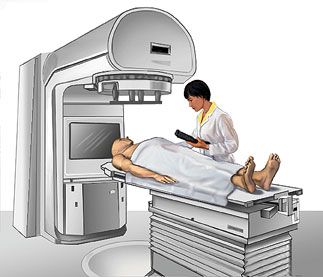
A patient classification system may help identify and stratify patients who are more or less likely to experience improved quality of life (QOL) with palliative radiation therapy based on their pain response and time to progression, according to findings from a retrospective study (UMIN000044984) published in the International Journal of Radiation Oncology, Biology, and Physics.1
Findings from the trial revealed that among 273 patients with assessable lesions at 12 weeks, the compliance rate was 67.0% (n = 183/273), with lower compliance observed for those who did not respond to palliative radiotherapy at 57% vs responders at 72% (P = .004). Furthermore, the compliance rates were 70% for class 1, defined as those who were not treated with opioids or reirradiation; 39% for class 3, defined as those treated with both opioids and reirradiation; and 44% for class 2, defined as patients not classified as class 1 or 3.
Additional results showed that statistical differences in European Organisation for Research and Treatment of Cancer (EORTC) scores for global health status (GHS) or QOL were generally better in order of classes 1, 2, and 3. Of note, mean scores in emotional functioning and functional interference increased substantially across all classes, but physical functioning scores marginally increased in classes 1 and 2, and decreased in class 3. Additionally, pain scores decreased for all classes.
Of 9-item symptom scales, class 1 decreased in the 6-item mean scores, class 2 decreased by 5 items, and class 3 decreased by 4 items. Additionally, although classes 2 and 3 decreased in mean scores for insomnia, they increased in mean scores for fatigue and dyspnea.
“Among the lesions observed, the primary end point of GHS/QOL significantly differed between classes 1, 2, and 3, scoring better at baseline and 12 weeks, respectively. All sub-scales except for the QLQ-BM22 symptom scales [painful sites and pain characteristics] showed a range of improvement that was not significantly different between classes,” lead investigator Yutaro Koide, MD, PhD, medical doctor at Aichi Cancer Center in Nagoya, Japan, wrote in the publication with study coinvestigators.1 “[T]he QOL changes associated with pain response and the classification system were identified, suggesting that the classification system may help identify populations more or less likely to improve QOL, in addition to differentiating pain response rates.”
The retrospective study of a single-center prospective study included patients with painful lesions, classified as having a numerical rating scale of 2 or more, treated with palliative radiotherapy between August 2021 and September 2022, with at least 1 QOL assessment available for follow-up. Baseline numerical rating scale, opioid dose, and QOL questionnaires were obtained prior to radiotherapy, with scores obtained on a date closer to treatment used if scores were obtained more than once.
The primary end point of the QOL portion of the study was GHS or QOL improvement at 12 weeks, coinciding with the study’s original primary end point of pain response. Secondary end points included improvement rates of other QOL scales; deterioration rates; changes in mean subscale scores; and QOL assessment scores at 2, 4, 12, 24, 36, and 52 weeks.
The proportion of patients who achieved GHS or QOL improvement was 33% in class 1, 31% in class 2, and 20% in class 3. Other subscales’ improvement rates were the lowest in class 3 as well except for nausea and psychosocial aspects. Although the proportion of QOL unevaluable lesions with pain response was similar across classes, eliciting values of 15%, 20%, and 15%, respectively (P = .68), the proportion of QOL unevaluable lesions with pain nonresponse increased in the respective groups, eliciting values of 6%, 17%, and 28% (P = .0036).
Reference
Koide Y, Shindo Y, Noguchi M, et al. Quality of life report associated with pain response and patient classification system for palliative radiation therapy: a prospective observational study. Int J Radiation Oncol Biol Phys. 2024;121(5):1125-1133. doi:10.1016/j.ijrobp.2024.11.102

![According to John Henson, MD, “What we need are better treatments to control the [brain] tumor once it’s detected.”](/_next/image?url=https%3A%2F%2Fcdn.sanity.io%2Fimages%2F0vv8moc6%2Fcancernetwork%2Fe0d29c38bb732429ae370e4ef7d1829a10c96446-2992x1684.png%3Ffit%3Dcrop%26auto%3Dformat&w=3840&q=30 "According to John Henson, MD, “What we need are better treatments to control the [brain] tumor once it’s detected.”")


How Supportive Care Methods Can Improve Oncology Outcomes
Experts discussed supportive care and why it should be integrated into standard oncology care.


