Fish Oil Consumption Linked to Chemoresistance
A new study has shown that consumption of fish oil can raise the plasma levels of fatty acids, which may cause resistance to chemotherapy for cancer treatment.


Image © tab62 / Shutterstock.com
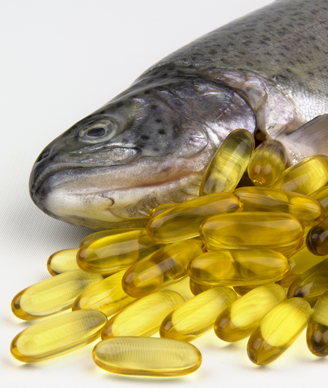
A new study has shown that consumption of fish oils can raise the levels of fatty acids in the blood, which may lead to resistance to chemotherapy for cancer treatment. The results of this study were published in JAMA Oncology.
Healthy volunteers who consumed fish oil supplements, as well as herring and mackerel, had a rapid increase of the platinum-induced fatty acid 16:4(n-3) (hexadeca-4,7,10,13-tetraenoic acid) in their plasma. This fatty acid had previously been shown to have negative effects on chemotherapy efficacy in mice laboratory studies.
Emile E. Voest, MD, PhD, of the Netherlands Cancer Institute in Amsterdam, and coauthors recommend that patients undergoing chemotherapy avoid consumption of fish oil and fish containing high levels of 16:4(n-3) 1 day before and after their chemotherapy treatment (48 hours before and after for herring and mackerel) until more studies are conducted.
Since people diagnosed with cancer tend to change their habits and lifestyle to be healthier, often starting to take daily supplements and vitamins, the study authors suggest that more work is needed to better understand how supplements interact with chemotherapy and other cancer therapies. While many patients may assume that supplements and vitamins are beneficial and benign with respect to their therapy regimen, this may not be the case-consumption of these over-the-counter products may affect treatment efficacy and outcomes.
In a prior study, supplement use went up threefold when individuals were diagnosed with cancer. In another study, it was found that approximately one-fifth of US cancer patients take omega-3 fatty acids, mostly in the form of fish oil supplements.
In the current study, 30 healthy volunteers were given 10 mL (the recommended daily dose) or 50 mL of one of three different brands of fish oil, produced from anchovies and sardines. An additional 20 healthy volunteers were each given 100 g of raw salmon, tuna, smoked mackerel, or cured herring. Eleven of the volunteers in the fish study cohort also took part in the fish oil cohort. Blood samples were collected 24 hours after consumption, and all fish was tested for fatty acid levels.
Those who consumed 10 mL of fish oil had a rapid increase of 16:4(n-3) in their plasma levels that normalized 8 hours later, while those who consumed 50 mL continued to have high levels after the 8 hours. In the fish study cohort, those who ate smoked mackerel or cured herring had an increase of the fatty acid in their plasma levels 4 to 6 hours later, unlike those who ate salmon or tuna, fish low in 16:4(n-3).
A questionnaire completed by 118 cancer patients regarding their use of nutritional supplements showed that 30% (35) of patients reported regular use of supplements and 11% (13) of patients consumed supplements that contained omega-3 fatty acids.
In the mice studies, consumption of fish oil resulted in an increase of 16:4(n-3) in plasma levels. In mice with subcutaneous tumors, treatment with cisplatin resulted in tumor shrinkage but when the chemotherapy was administered along with oral 16:4(n-3), chemotherapy resistance occurred. Chemoresistance to irinotecan also occurred. The use of eicosapentaenoic acid also caused chemoresistance in the same mouse tumor model but only at high doses.
“Taken together, our findings are in line with a growing awareness of the biological activity of various fatty acids and their receptors and raise concern about the simultaneous use of chemotherapy and fish oil,” concluded the study authors.


How Supportive Care Methods Can Improve Oncology Outcomes
Experts discussed supportive care and why it should be integrated into standard oncology care.


