Nadunolimab Exhibits Comparable Efficacy Vs Chemotherapy Alone in TNBC
The safety profile of nadunolimab in patients with triple-negative breast cancer was consistent with its known profile, and no significant signals emerged.


According to preliminary results from the phase 1b/2 TRIFOUR trial, the addition of nadunolimab elicited a median OS of 26 months vs 26 months with chemotherapy alone.
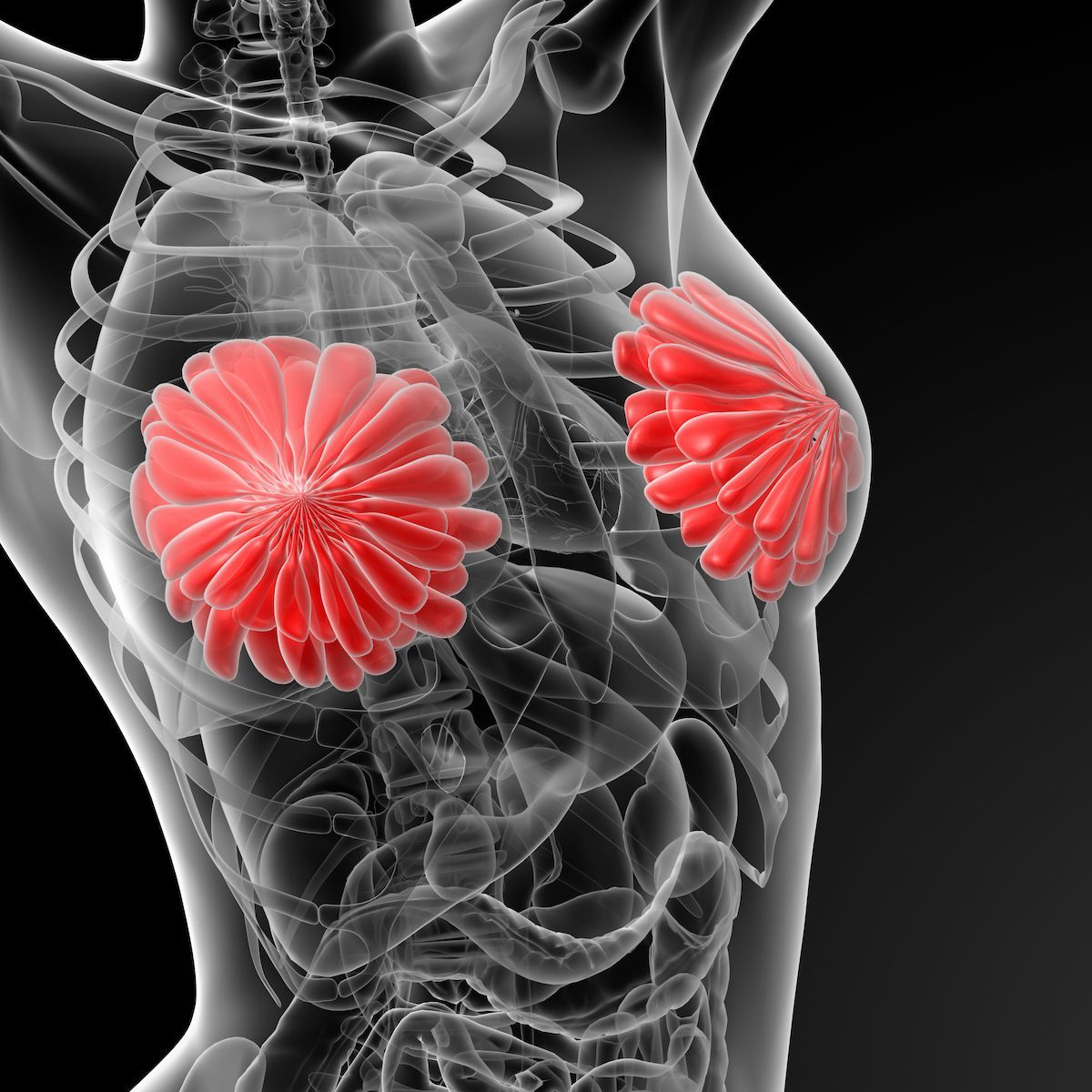
The addition of nadunolimab (CAN04) to chemotherapy consisting of gemcitabine/carboplatin displayed no differences in efficacy outcomes compared with chemotherapy alone as a treatment for patients with triple-negative breast cancer (TNBC), according to a news release from the developers, Cantargia AB.1
Specifically, according to preliminary results from the phase 1b/2 TRIFOUR trial (NCT05181462), the addition of nadunolimab elicited a median overall survival (OS) of 26 months vs 26 months with chemotherapy alone. Additionally, a comparable overall response rate (ORR) was observed in both arms, despite the trial not being powered for statistical significance. Additionally, subgroup analyses for ORR have displayed comparable outcomes between all treatment groups.
The developers plan to discontinue further development of nadunolimab for this patient group based on the phase 1b/2 trial results. Furthermore, patients who experience ongoing benefit from the study therapy in both arms will continue to receive treatment and follow-up, with final data planned to be exhibited at an upcoming scientific meeting and in a peer-reviewed journal.
“We view this outcome in TNBC as indication‑specific, not predictive and not translating to pancreatic or lung cancer, where the biology, standard of care, and heterogeneity of the TRIFOUR patient population differ significantly.” Wolfram Dempke, MD, PhD, MBA, chief medical officer at Cantargia, said in the news release.1
Patients in the TRIFOUR trial were 18 years and older with histologically confirmed recurrent or inoperable TNBC and received no more than 1 prior line of systemic therapy for advanced disease. They were randomly assigned to receive chemotherapy alone (n = 48) or with nadunolimab (n = 51).
In the phase 1b, single-arm, dose-escalation portion of the trial, nadunolimab was given in escalating doses starting at 0.5 mg/kg up to 5 mg/kg intravenously on days 1, 8, and 15 of 3-to-4-week cycles.2 Patients also received 1000 mg/m2 of intravenous gemcitabine and area under the curve 2 mg/mL/min of intravenous carboplatin on days 1, 8, and 15 of 3-to-4-week cycles.
In the phase 2 portion of the trial, a similar dosing regimen was given in the investigational arm, with the exclusion of nadunolimab in the control arm. Patients in this part of trial received the recommended phase 2 dose of 2.5 mg/kg of nadunolimab in the investigational arm.
The coprimary end points of the trial were incidence of dose-limiting toxicities and ORR. Secondary end points included clinical benefit rate, disease control rate, duration of response, progression-free survival, OS, and immune ORR.
Safety results from the trial revealed that the safety of nadunolimab was consistent with its established profile. The most common adverse effects included neutropenia and asthenia, and no significant differences in safety were observed between treatment groups.
Nadunolimab is an IL1RAP-binding antibody that induces antibody-dependent cellular cytotoxicity and blocks IL-1α and IL-1β signaling. Developers suggest that it can counteract immune suppression of the tumor microenvironment and resistance to chemotherapy brought on by the IL-1 system.
“While the combined results, including the primary endpoint and subgroup analyses, indicate that the TRIFOUR study did not meet its objectives, we recognize the valuable insights gained from this trial,” Hilde Steineger, PhD, chief executive officer of Cantargia, explained in the news release.1 “Although this is not the outcome we had hoped for, we remain confident in the strong potential of nadunolimab, particularly in pancreatic ductal adenocarcinoma, where we see strong scientific rationale, robust data and significant opportunities for impact.”
References
- Cantargia provides update on overall survival data from TRIFOUR. News release. Cantargia AB. December 5, 2025. Accessed December 5, 2025. https://tinyurl.com/mryfwhww
- Nadunolimab in Combination with Gemcitabine Plus Carboplatin in Patients with Advanced Triple Negative Breast Cancer. (TRIFOUR). ClinicalTrials.gov. Updated March 14, 2025. Accessed December 5, 2025. https://tinyurl.com/34st32a8


