Zovegalisib Combo Confers Efficacy Benefit in PIK3CA-Mutated Breast Cancer
The addition of zovegalisib to fulvestrant led to rapid declines in PIK3CA and ESR1 ctDNA in the HR-positive/HER2-negative advanced breast cancer group.


In 52 patients with evaluable disease, the overall median progression-free survival was 10.3 months.
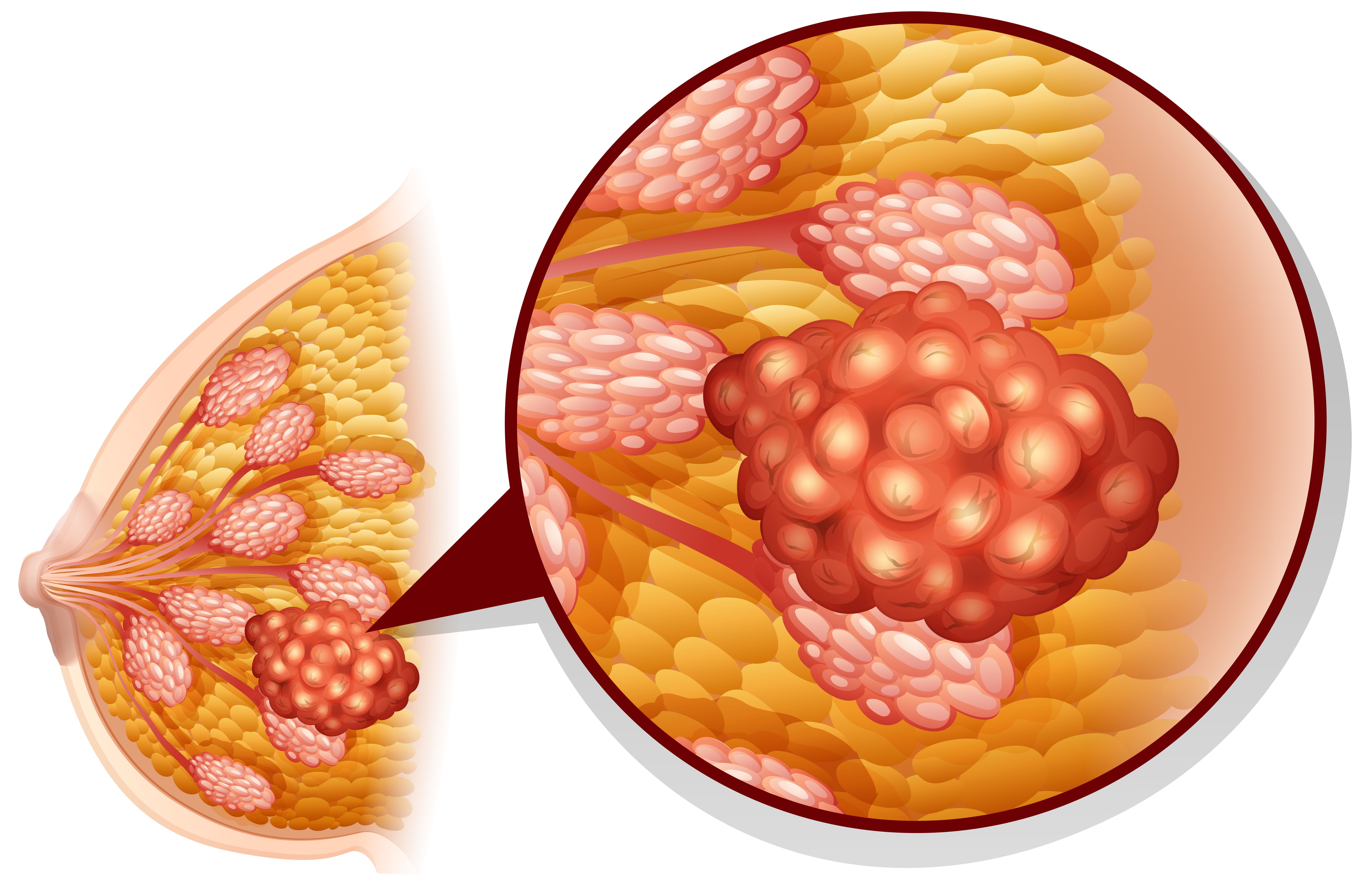
The addition of zovegalisib (RLY-2608), a PI3Kα inhibitor, to fulvestrant (Faslodex) exhibited beneficial efficacy among patients with PIK3CA-mutated hormone receptor (HR)–positive/HER2-negative advanced breast cancer who experienced progression following prior treatment with CDK4/6 inhibition, according to findings from the first-in-human phase 1 ReDiscover trial (NCT05216432) presented in a poster at the 2025 San Antonio Breast Cancer Symposium (SABCS).1
Efficacy data revealed that among 31 patients with measurable disease without PTEN or AKT co-mutations treated on the trial, the objective response rate (ORR) was 38.7% (95% CI, 21.8%-57.8%), and the median duration of response (DOR) was 12.9 months (95% CI, 4.4-not reached [NR]) among responders. In 52 patients with evaluable disease, the overall median progression-free survival (PFS) was 10.3 months (95% CI, 7.2-16.5).
The ORR in the ESR1-mutated population was 60.0% (95% CI, 26.2%-87.8%) vs 28.6% (95% CI, 11.3%-87.8%) among those without ESR1 mutations. Those who received prior selective estrogen receptor degrader (SERD) treatment experienced an ORR of 43.8% (95% CI, 19.8%-70.1%) vs 33.3% (95% CI, 11.8%-61.6%) in those who did not. In the second-line population, the ORR was 47.1% (95% CI, 23.0%-72.2%) vs 28.6% (95% CI, 8.4%-58.1%) among those treated in the third-line setting or later.
Moreover, among patients with or without ESR1-mutated disease, the median PFS was 8.8 months (95% CI, 3.0-NR) vs 11.0 months (95% CI, 6.2-22.0). The SERD-pretreated population had a median PFS of 11.4 months (95% CI, 5.6-NR) compared with 9.2 months (95% CI, 5.8-22.0) in the SERD-naive group. The median PFS in the second-line vs third-line or later groups was 11.4 months (95% CI, 7.3-22.0) vs 9.2 months (95% CI, 5.4-NR), respectively.
Additionally, the safety profile of zongertinib was consistent with previous reports; adverse effects (AEs) were primarily low-grade, reversible, and associated with targeting PI3K. No grade 4 or treatment-related AEs were observed on trial, despite a high relative dose intensity at a median of 90%.
“Zovegalisib at the [recommended phase 2 dose (RP2D) of 600 mg twice daily plus fulvestrant] demonstrates promising efficacy in patients with PIK3CA-mutated [HR-positive/HER2-negative] advanced [breast cancer] who [experienced progression] on CDK4/6 [inhibitors] including those with [ESR1-mutated disease] or prior exposure to SERD,” lead study author, Cristina Saura, MD, PhD, group leader of Vall d’Hebron Institute of Oncology’s Breast Cancer Group and Head of the Breast Cancer Program at Vall d’Hebron University Hospital, wrote in the poster with study coinvestigators.1 “These findings underscore the importance of mutated PI3Kα as a key driver of [HR-positive/HER2-negative breast cancer] and highlight the need for effective therapies that selectively inhibit oncogenic PI3Kα in combination with anti-estrogen approaches.”
Sixty-four adults with PIK3CA-mutated disease previously treated with CDK4/6 inhibition and endocrine therapy received the RP2D of 600 mg of zovegalisib twice daily plus standard-dose fulvestrant. Those enrolled also had evaluable disease per RECIST v1.1 criteria; were naive to PI3Kα, AKT, or mTOR inhibition; and received no more than 1 prior line of chemotherapy in the metastatic setting.
Those enrolled in the trial (n = 64) had a median age of 59.0 years (range, 34-80). Most patients had an ECOG performance status of 0 (59.4%), a BMI of less than 30 or HbA1c of 5.7% or less (65.6%), measurable disease (65.6%), and visceral metastases (62.5%). The majority of patients received 1 prior line of therapy (54.7%) and prior SERD treatment (51.6%). A total of 26.6% received prior chemotherapy or antibody drug conjugates, and 28.6% had ESR1 mutations.
The primary end points of the study included maximum tolerated dose or RP2D of zovegalisib with or without fulvestrant with or without CDK4/6 inhibition and AEs.2 Secondary end points included PIK3CA gene status in ctDNA, pharmacokinetics, changes in circulating blood, ORR, DOR, disease control rate, and clinical benefit rate.
A total of 20% of patients were still receiving treatment after 20.2 months of follow-up. The most common reasons for treatment discontinuation included progressive disease (70%), patient withdrawal (5%), AEs (3%), and physician decision (2%).
References
- Saura C, Curigliano G, Italiano A, et al. Efficacy of mutant-selective PI3Kα inhibitor RLY-2608 in combination with fulvestrant in patient (pt) subset populations, including pts with PIK3CA-mutant HR+/HER2- advanced breast cancer (BC) pre-treated with fulvestrant or other SERD. Presented at: 2025 San Antonio Breast Cancer Symposium; December 9-12, 2025; San Antonio, TX. Abstract 799
- First-in-human study of mutant-selective PI3Kα Inhibitor, RLY-2608, as a single agent in patients with advanced solid tumors and in combination with endocrine therapy +/- a CDK4/6 or CDK4 inhibitor in patients with advanced solid tumors or advanced breast cancer. ClinicalTrials.gov. Updated September 22, 2025. Accessed December 23, 2025. https://tinyurl.com/2hjy6znt


Gedatolisib Combo With/Without Palbociclib May Be New SOC in PIK3CA Wild-Type Breast Cancer
December 21st 2025“VIKTORIA-1 is the first study to demonstrate a statistically significant and clinically meaningful improvement in PFS with PAM inhibition in patients with PIK3CA wild-type disease, all of whom received prior CDK4/6 inhibition,” said Barbara Pistilli, MD.


