Novel Cancer Vaccine Improves OS vs SOC in Newly Diagnosed GBM
Treatment with IGV-001 demonstrated a 45% increase in overall survival compared with standard of care in patients with newly diagnosed glioblastoma.


Treatment with IGV-001 demonstrated a 45% increase in overall survival compared with standard of care in patients with newly diagnosed glioblastoma.
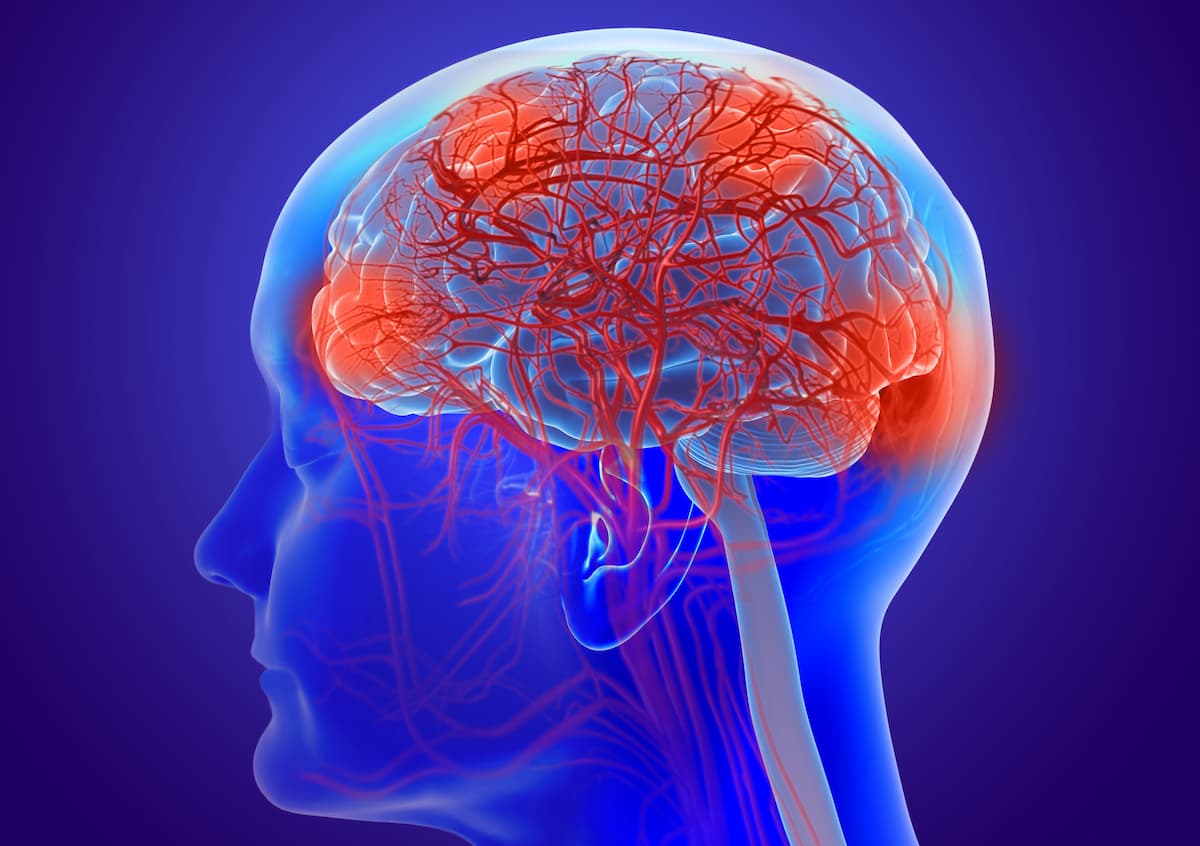
Topline results from a randomized, double-blind, placebo-controlled phase 2b trial (NCT04485949) evaluating IGV-001 in patients with newly diagnosed glioblastoma, according to a press release from the developer, Imvax.1 IGV-001 is an autologous biologic-device combination product candidate derived from the developer’s proprietary Goldspire® immuno-oncology platform for solid tumors; the platform utilizes a unique approach to induce a patient-specific, broad, and durable immune response against tumors.
With a median follow-up time for all patients of 22 months in all 99 patients enrolled, the median overall survival (OS) among patients in the IGV-001 arm was 20.3 months compared with 14.0 months in the placebo arm, which resulted in a difference of 6.3 months, or 45%. The trial also did not meet statistical significance for progression-free survival (PFS).
Additionally, the safety profile observed in the phase 2b trial was favorable and consistent with what was observed in a previous phase 1b trial. No drug-related serious adverse events (AEs) were reported in the treatment arm of the phase 2b trial. As of December 2, 2025, a total of 100 patients with newly diagnosed glioblastoma had received IGV-001 across 2 clinical studies, and patients who received IGV-001 saw measurable patient benefit compared with the placebo arm.
The developer plans to submit a meeting request to discuss the regulatory pathway for IGV-001 with the FDA. Previously, IGV-001 was granted fast track designation and orphan drug designation, both for the treatment of newly diagnosed glioblastoma, by the FDA.2
“The data from this trial are highly encouraging and suggest both a clinically meaningful improvement in overall survival for [patients with newly diagnosed glioblastoma] and a benign safety profile for the therapy,” stated J. Bradley Elder, MD, director of Neurosurgical Oncology, professor in the Department of Neurological Surgery at The Ohio State University Wexner Medical Center, and the highest enrolling investigator in the phase 2b trial, in the press release.1 “These results represent a potential watershed moment for the treatment of this deadly disease.”
The phase 2b trial enrolled a total of 99 patients with newly diagnosed glioblastoma who were randomly assigned, in a 2:1 ratio, to receive either IGV-001 or placebo, across 19 sites in the US. For treatment, approximately 48 hours post-surgical resection of the patient’s malignant tumor, those in the IGV-001 arm were implanted with biodiffusion chambers containing a combination of personalized tumor-derived cells with an antisense oligonucleotide; in the placebo arm, the biodiffusion chambers contained an inactive solution only. Notably, in both arms, the biodiffusion chambers were explanted about 48 hours later. After 6 weeks, all patients were treated with standard of care, which consisted of adjuvant concomitant radiotherapy and temozolomide followed by maintenance temozolomide.
The primary end point of the trial was PFS. Secondary end points included OS, the incidence of AEs, and the number of patients with clinically significant laboratory assessment abnormalities.3
Eligible patients had a diagnosis of WHO grade III or IV glioblastoma based on the treating neurosurgeon’s best clinical judgement, a diagnostic contrast-enhanced MRI scan with fluid attenuated inversion-recovery sequence of the brain at screening, a Karnofsky performance scale score of 70 or more, a tumor located in the supratentorial compartment, and adequate bone marrow and organ function at screening.
Exclusion criteria include any previous post-surgical resection or any anticancer intervention for glioma, any severe immunocompromised condition or any active uncontrolled autoimmune disease, an active cardiac disease or history of cardiac dysfunction, and receipt of a live vaccine within 30 days of screening.
“Today marks a pivotal moment for both Imvax and for the people affected by [newly diagnosed glioblastoma]. For the past decade, the Imvax team has been dedicated to advancing the development of IGV-001, and the results from this phase 2b study bring us meaningfully closer to achieving that goal…,” said John P. Furey, executive chair of the Imvax Board of Directors.1 “We are preparing to meet with the FDA to discuss the regulatory pathway for IGV-001 and what we believe is a strongly positive risk-benefit profile, especially given the large unmet medical need in [newly diagnosed glioblastoma]. Finally, we are profoundly grateful to the investigators, patients, and their families for their commitment to this study.”
References
- Imvax announces positive top-line data from phase 2b clinical trial of IGV-001 in newly diagnosed GBM. News release. Imvax. December 2, 2025. Accessed December 2, 2025. https://tinyurl.com/5cstmdcw
- Imvax announces completion of enrollment in phase 2b clinical trial of IGV-001 and successful financing. News release. Imvax. May 21, 2024. Accessed December 2, 2025. https://tinyurl.com/ywnpz22c
- A phase 2b clinical study with a combination immunotherapy in newly diagnosed patients with glioblastoma. ClinicalTrials.gov. Updated September 11, 2025. Accessed December 2, 2025. https://tinyurl.com/ykyahxw5
![According to John Henson, MD, “What we need are better treatments to control the [brain] tumor once it’s detected.”](/_next/image?url=https%3A%2F%2Fcdn.sanity.io%2Fimages%2F0vv8moc6%2Fcancernetwork%2Fe0d29c38bb732429ae370e4ef7d1829a10c96446-2992x1684.png%3Ffit%3Dcrop%26auto%3Dformat&w=3840&q=30 "According to John Henson, MD, “What we need are better treatments to control the [brain] tumor once it’s detected.”")


