Novel Targets, Enhanced Donor Transplantation, Show Promise in Blood Cancers
Stay tuned on this page for our upcoming coverage of the American Society of Clinical Oncology meeting 2010 focusing of hematologic malignancies.


Samuel Silver, MD, PhD
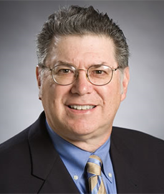
Stay tuned on this page for our upcoming coverage of the American Society of Clinical Oncology meeting 2010 focusing of hematologic malignancies. To deliver the most insightful coverage, we have engaged nationally recognized hematology specialist, Samuel Silver, MD, PhD, Professor, Internal Medicine/Hematology-Oncology and Director of the University Cancer Center Network, University of Michigan Cancer Center, Ann Arbor, Michigan.
-Interviewed by Ron Piana
First up: An exclusive podcast interview-Dr. Silver elucidates the current trends and therapies for treating various blood cancers.
Next up: An expert perspective, gleaning the best hematologic highlights from this year’s meeting-Dr. Silver's clinical and research expertise spans bone marrow transplantation, malignant hematology, bleeding disorders, platelet dysfunction, myeloproliferative and myelodysplastic disorders and porphyria.
Watch this page for Dr. Silver's assessment of key sessions, abstracts, current therapies and future trends presented at the American Society of Clinical Oncology meeting 2010.


