Study Finds Prognostic Impact of MRD Is Universal Across Treatment Regimens in Pediatric ALL, Regardless of When It Is Measured


Jun J. Yang, PhD, reviews the use of ex vivo drug sensitivity profiles and in vivo early treatment response for patients with acute lymphoblastic leukemia.


Senior author Jun J. Yang, PhD, and colleagues at St. Jude Children's Research Hospital® “sought to comprehensively characterize the relationship between ex vivo drug sensitivity profiles and in vivo early treatment response across the updated taxonomy of molecular subtypes of ALL”.
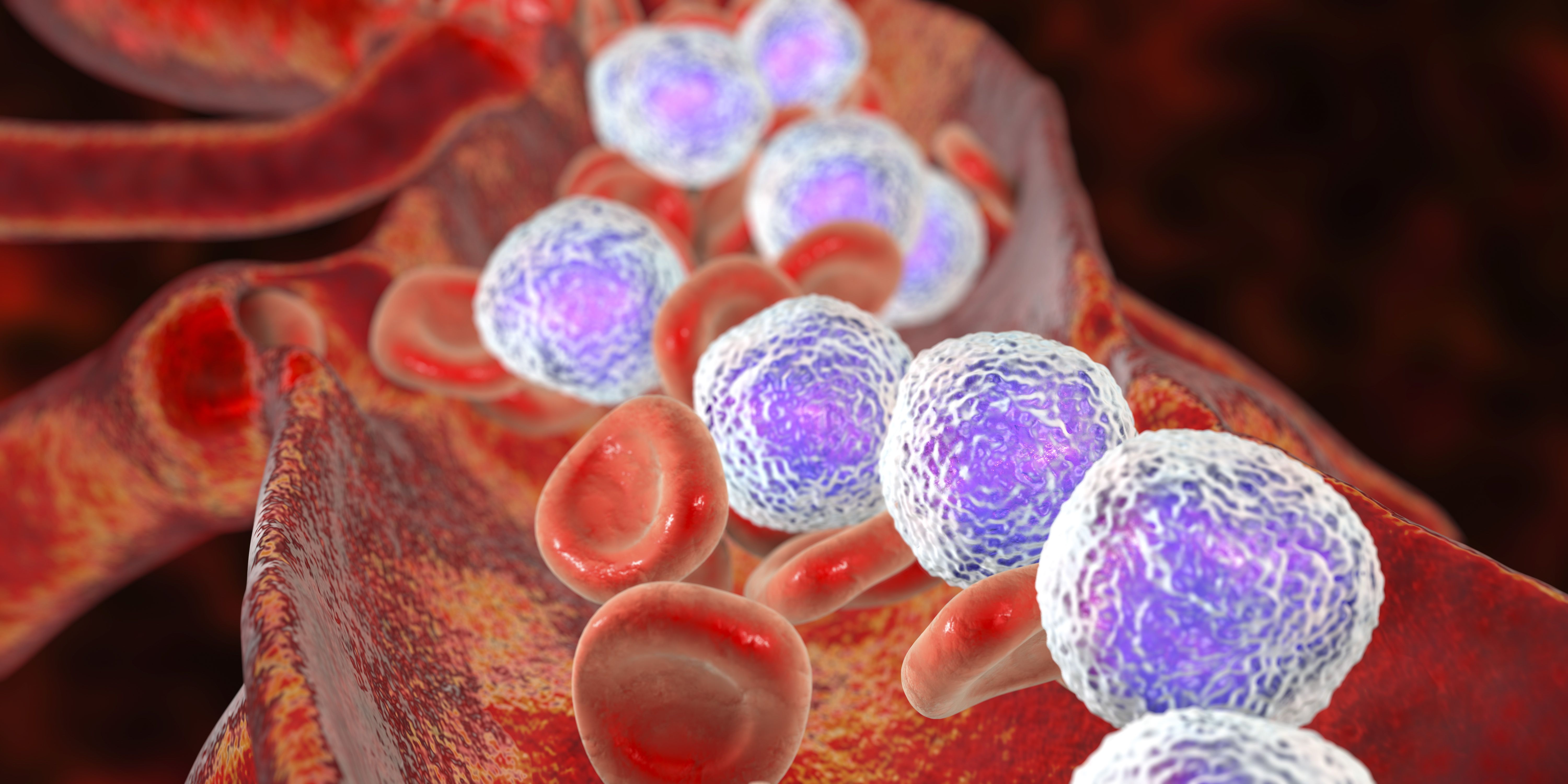
A comprehensive characterization of drug response profiles across molecular subtypes in childhood acute lymphoblastic leukemia (ALL) has concluded that the prognostic impact of MRD is universal across a variety of ALL treatment regimens, regardless of the precise time point at which it is measured. The work highlights possible approaches to individualizing therapy with the goal of improving outcomes for children with ALL, the authors write.
Senior author Jun J. Yang, PhD, and colleagues at St. Jude Children's Research Hospital® “sought to comprehensively characterize the relationship between ex vivo drug sensitivity profiles and in vivo early treatment response across the updated taxonomy of molecular subtypes of ALL” and to characterize the pharmacogenomic landscape of childhood ALL through integrated analyses of drug sensitivities, somatic genomics, MRD, and long-term survival outcomes. The paper was published online in Nature Medicine in January.
Of all the drugs used in ALL therapy, L-asparaginase and prednisolone were shown to have the strongest, but differing, impacts on MRD. “For prednisolone, patients with high sensitivity ex vivo…exhibited a range of day 15 MRD but almost always cleared leukemia by day 42,” they write. “For L-asparaginase, patients with the greatest sensitivity…cleared leukemia rapidly with negative day 15 MRD.”
“Taken together, these data revealed intrinsic relationships in ALL sensitivity to different therapeutic agents and pointed to the pharmacological basis of inter-subtype variability in patients with ALL response to induction therapy and long-term survival outcomes,” the authors write, adding that their results “have potential clinical relevance because they provide new insights for the design of novel combination therapy, particularly in conjunction with ALL molecular subtyping.”
Reference
Lee SHR, Yang W, Gocho Y, et al. Pharmacotypes across the genomic landscape of pediatric acute lymphoblastic leukemia and impact on treatment response. Nat Med. 2023;29(1):170-179. doi:10.1038/s41591-022-02112-7


